
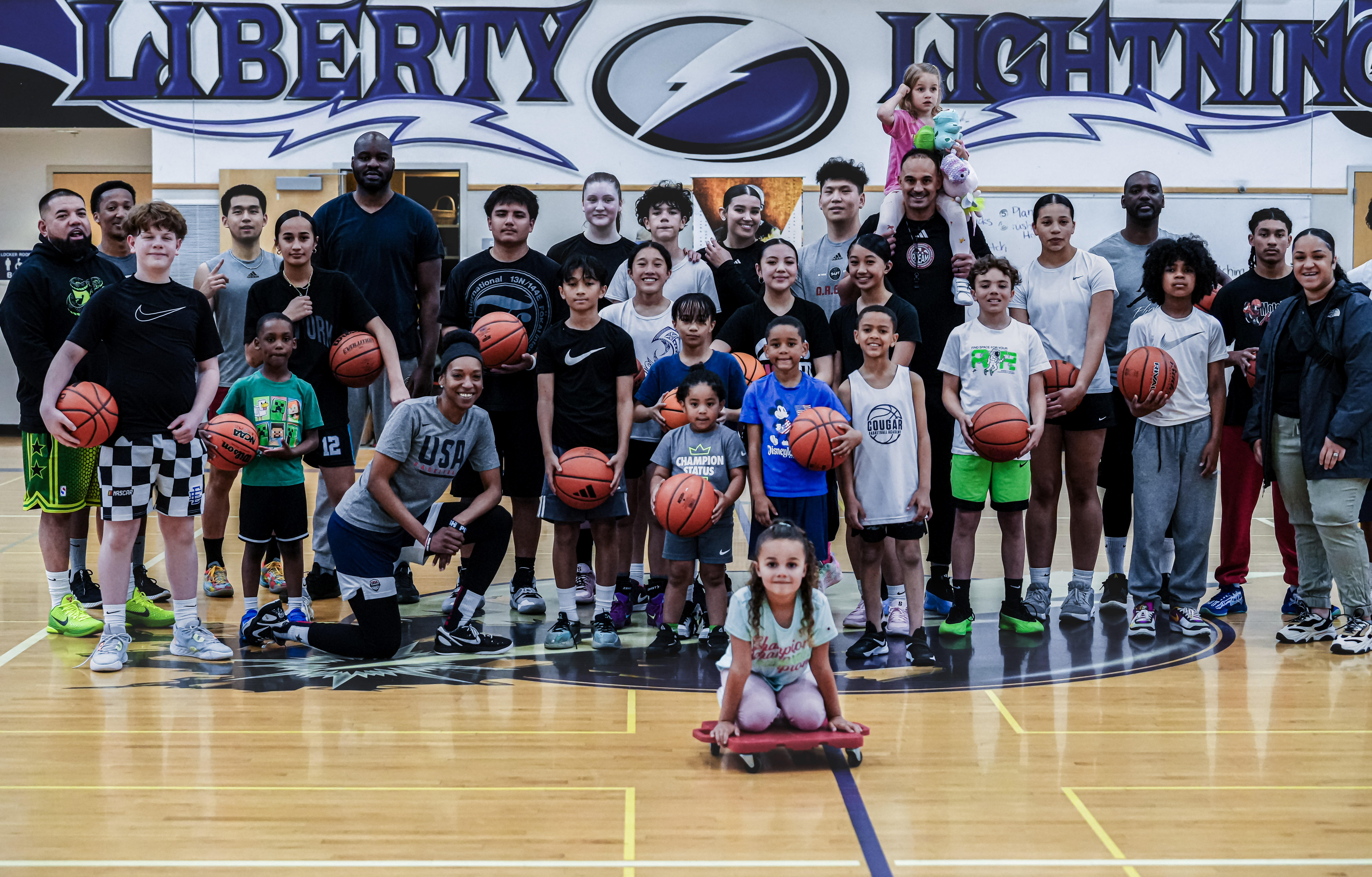
Corey Belser knows firsthand how activities outside of the classroom can open doors of possibility for young people. His career as a professional basketball player and coach took him around the world—but he never forgot his roots: Spanaway, Washington, where he jumpstarted his basketball career during his time as a student in the Bethel School District. When he later returned to Washington to raise his family, Corey was determined to give back.
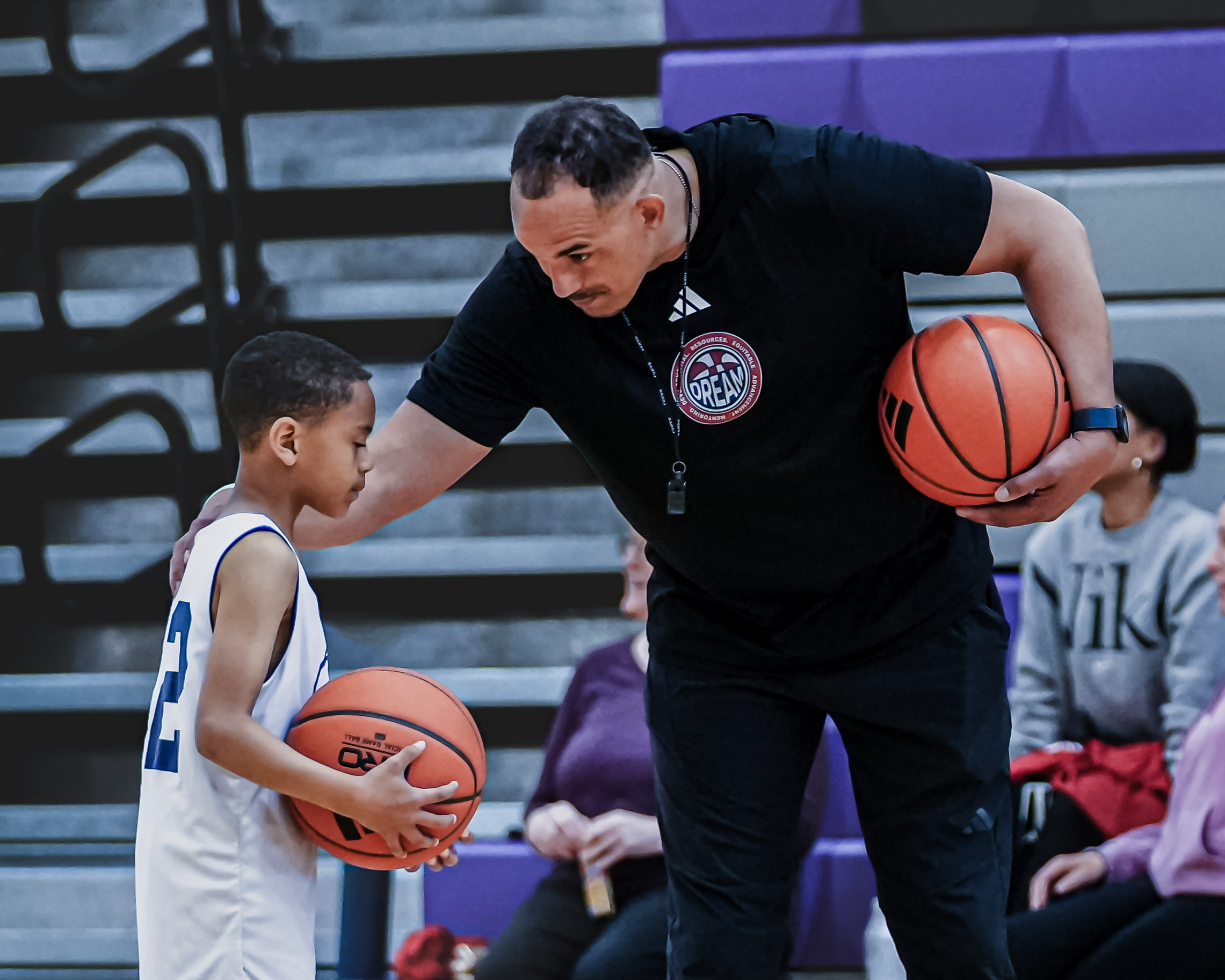
He founded D.R.E.A.M. Basketball, a non-profit organization that offers basketball camps, clinics, and individual and group training for young people in an enriching, educational, enjoyable environment—something his hometown desperately needed.
Corey was acutely aware of this need, as was Darius Alexander, Director of Community Connections for Bethel School District. Like Corey, Darius is a product of Bethel School District and lives in the community.
“We are often referred to as a ‘resource desert,'” Darius said. “It’s a struggle to connect our students with supports and things to do outside of the typical school day.”
In 2024, Corey and Darius came together to build a partnership between D.R.E.A.M. Basketball and Bethel School District. The partnership started with weekly basketball clinics serving 2-3 students in the middle school gymnasium. By April 2025, Corey considered 20 students in attendance to be a “light day”—some days, more than 40 students showed up.
The success of this partnership exemplifies the impact and importance of fostering youth programs in rural areas, where youth development opportunities for young people are often very limited, and where schools can play a particularly important role in connecting youth to programs. In 2024, School’s Out Washington (SOWA) helped secure and administer funding—offered through the Office of Superintendent of Instruction (OSPI)—for rural school-community partnerships through the Youth Development Capacity Building Grant, which ran from September 2024 through June 2025.
Two school districts were invited to apply and were awarded funding, which they shared with select community partners in their community: Bethel School District for their partnership with D.R.E.A.M. Basketball, and Granger School District in Yakima County, which partnered with local Spanish language public radio station Radio KDNA.
Founded in 1979, Radio KDNA has become a main point of contact for families in lower Yakima Valley, partnering with a variety of service providers and community organizations to provide crucial information and resources around environmental and occupational health issues, food access, immigrant rights, opioid misuse, and other pressing topics in the Valley.
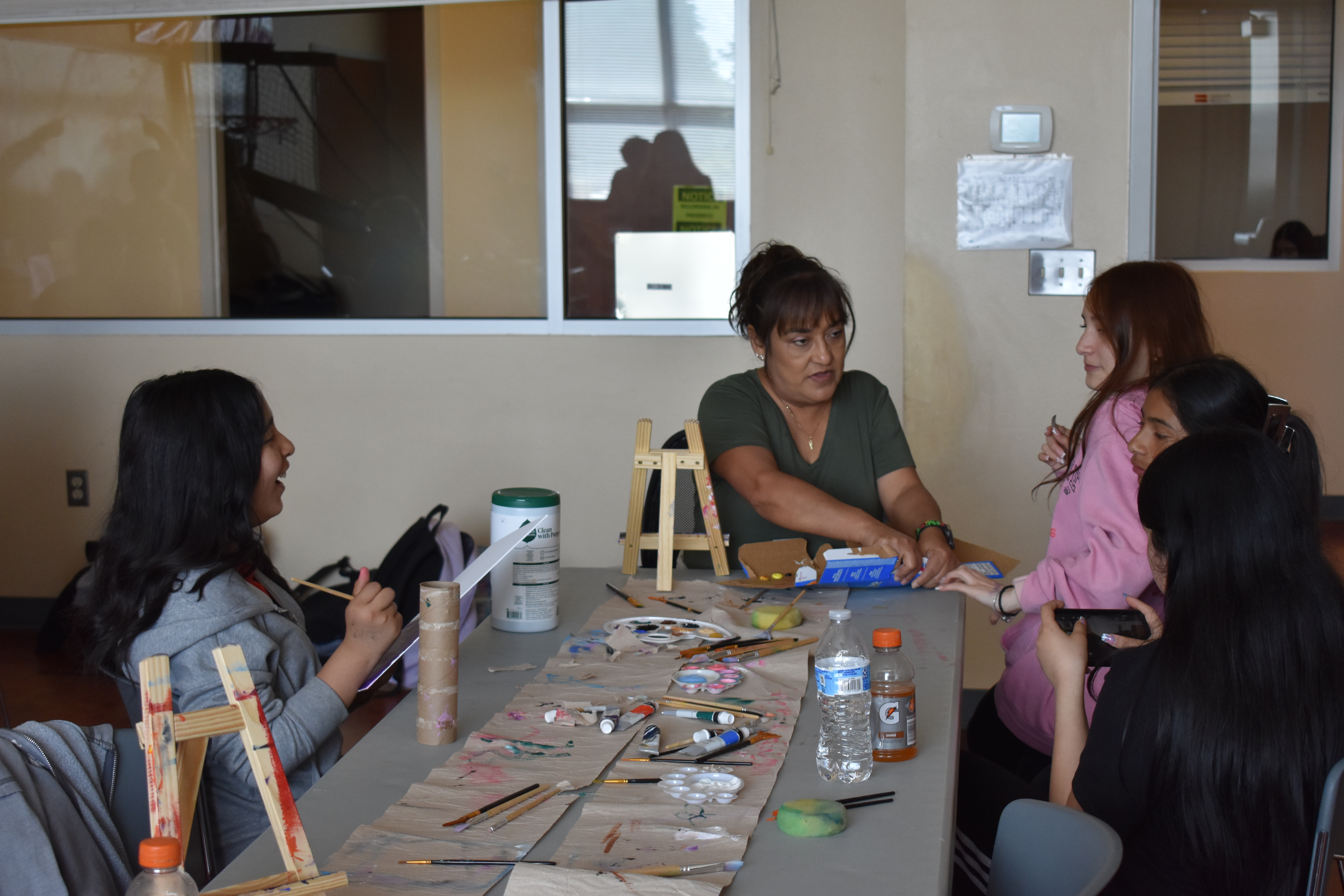
Radio KDNA was a perfect fit for this partnership not only because of its trusted status as a community hub, but also because of its location just a few blocks away from Granger’s school buildings. Through this partnership, Radio KDNA was able to offer an accessible and safe space for students to learn, play, and explore hobbies and interests with trusted adults after school.
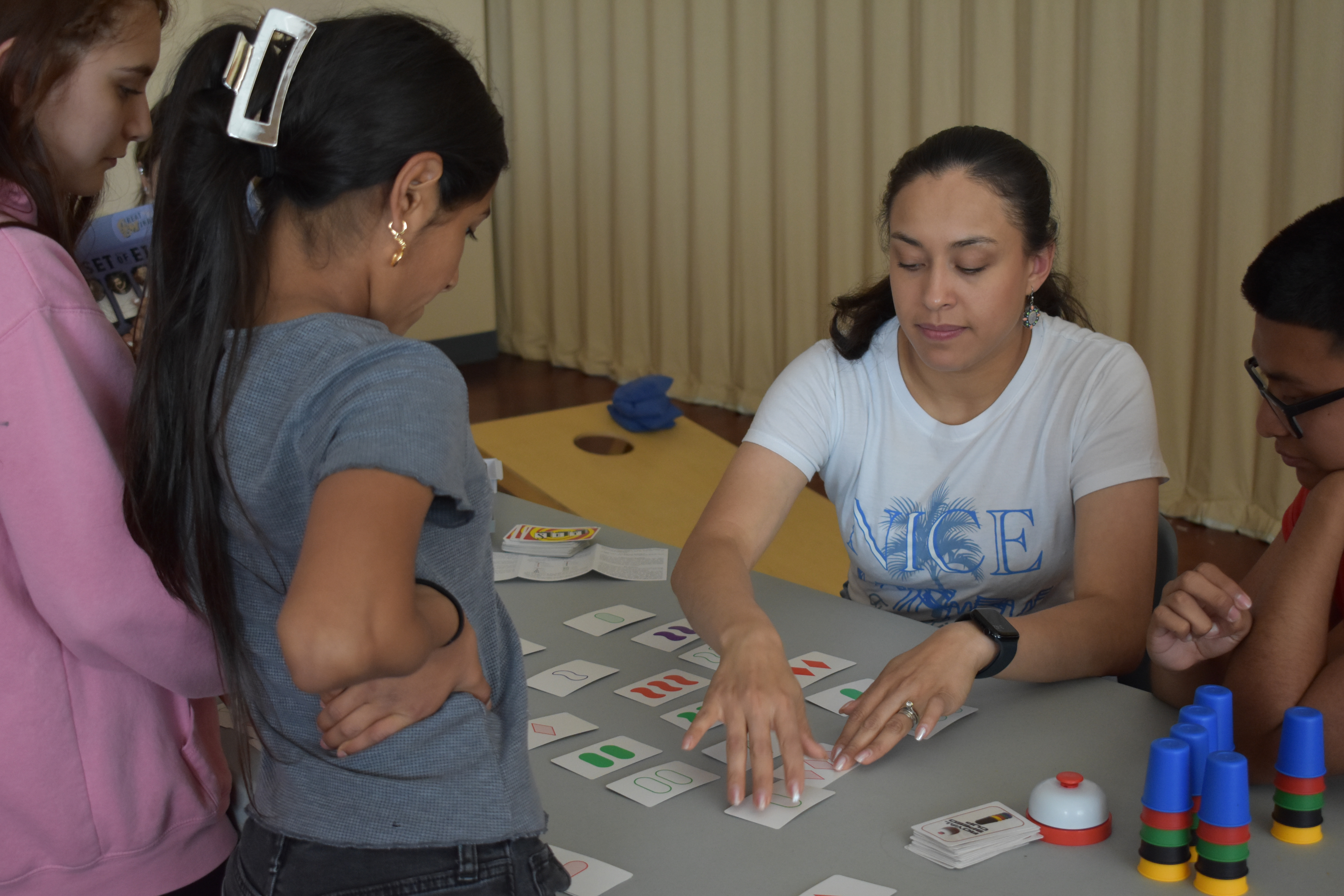
“Connecting with the afterschool tutoring support programs [from Granger School District] was an efficient way of providing services to a captive population of students,” said Dr. Esperanza Lemos, Director of Education at Radio KDNA. “We were able to be part of providing safe and fun activities for the children in the community.”
Although access to afterschool programs can be scarce in rural communities, support for youth development programs is overwhelming. Rural parents agree that these programs provide young people with opportunities to be physically active, build positive relationships with adults and mentors, and reduce unproductive screen time—all while helping working parents keep their jobs and build connections to their child’s school day education.
Parents in rural communities report considerable barriers to enrolling their children in programs, including that the programs are:
- Too expensive (52%)
- Not operating during key hours that parents needed childcare (49%)
- Not convenient/safe for youth to travel to and from (46%)
- Not available in their community (42%)
Funding through the Youth Development Capacity Building Grant helped the Bethel and Granger districts address some of these barriers through their partnerships. Bethel School District and D.R.E.A.M. Basketball were able to purchase high-quality equipment and subsidize the cost of participation for young people who otherwise wouldn’t have the opportunity, while Granger School District and Radio KDNA were able to offer free and engaging programming in a safe and trusted space located conveniently next to the schools for students to grow academically and socially after school.
“One story that stands out is of a 7th grader who joined last fall,” shared Corey. “[He was] quiet, unsure, hesitant. Now, he’s one of our most vocal leaders and is mentoring younger kids. His confidence, communication, and engagement in school have all noticeably improved, and his mom credits D.R.E.A.M. as a key part of that change.”
But the limited, temporary funding offered through this grant was not enough to address every barrier. For both districts, and many rural school districts across the country, transportation continues to serve as a major barrier, often because of long distances to and from school, paired with a lack of public transportation options. Each rural community also faces additional local and regional barriers; for example, Granger School District had to navigate a period of record low attendance when Immigration and Customs Enforcement (ICE) went door to door in their community, instilling fear in young people and families.
Without centralized and sustainable state funding for youth development, these impactful partnerships are unable to effectively address the full range of barriers prevalent in their communities. This is particularly true as funding from partner organizations and federal budgets continue to face cuts by the current administration.
But there’s hope—more than half of states across the country have invested funding in youth development, with millions of dollars of new funding introduced in 2024 in states like Oregon, Michigan, and New York. Washington could be next—with your help.
Get Involved
The Youth Development Strategy Table (YDST) is a statewide coalition of public, non-profit, and community stakeholders working to secure funding and policies that support youth development in Washington state. Whether you’re a provider, educator, family member, or concerned community member, joining the YDST will keep you tapped into key opportunities to advocate for young people and support local youth programs in your area.
Sign up here to receive updates about monthly coalition meetings, upcoming advocacy opportunities, legislative priorities, and highlights from the youth development sector.
Other ways to stay updated:
- Follow SOWA on social media: LinkedIn | Instagram | Facebook
- Sign up for the monthly SOWA newsletter
Advocacy Day
Tell your youth development story and share the importance of funding the field by joining us for Advocacy Day in Olympia on Monday, February 16, 2026. Register here.